
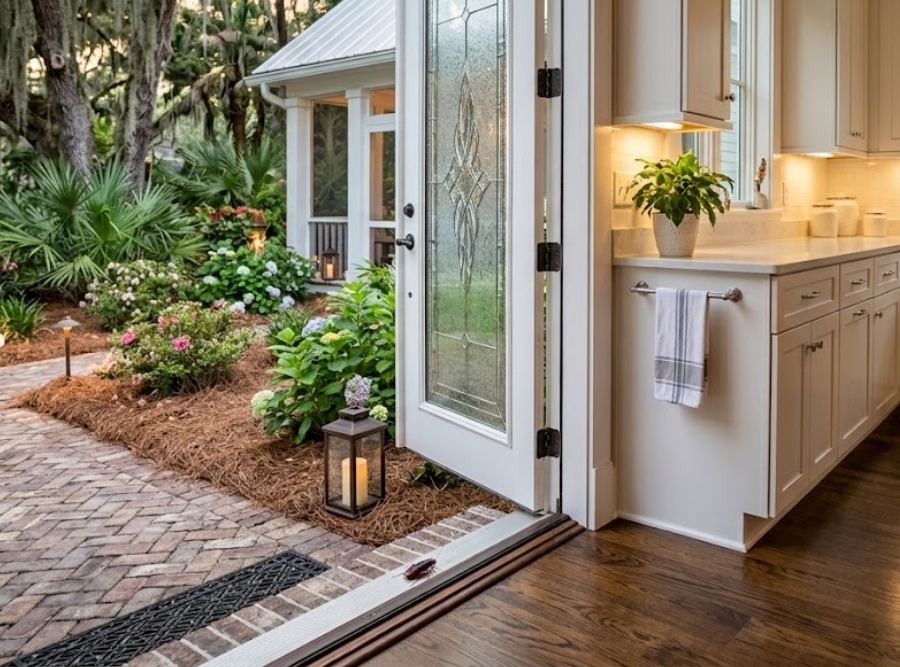
Having palmetto bugs in a clean house is common in Beaufort because these large cockroaches usually live outdoors, not indoors. The area’s warm, humid climate, heavy rainfall, marshes, mature trees, and small entry points around the home allow them to wander inside, even when a house is spotless.
Few household pests create as much frustration as a giant palmetto bug running across the floor in the middle of the night. It doesn’t matter how clean the house is or how often the kitchen is scrubbed—seeing one of these large cockroaches is enough to make many homeowners immediately wonder if they have an infestation. Some assume they must have missed something during cleaning, while others begin emptying cabinets, buying bug sprays, or questioning whether there’s a hidden colony living inside the walls.
In Beaufort, that reaction is understandable, but it’s often based on one of the biggest misconceptions we encounter. Unlike the smaller German cockroaches that commonly infest kitchens and reproduce indoors, the large insects most people call “palmetto bugs” usually spend the majority of their lives outside. They’re part of the natural environment throughout the South Carolina Lowcountry, and many of the ones found indoors are accidental visitors that wandered inside while searching for moisture, shelter, or simply following favorable conditions around the home.
That doesn’t mean you should ignore repeated sightings. A palmetto bug inside your home is still a pest, and seeing them regularly usually indicates there’s a reason they’re finding their way indoors. Understanding that reason is the first step toward solving the problem instead of chasing the same bug night after night.
The First Thing to Know: A Clean House Doesn’t Prevent Palmetto Bugs
One of the first questions homeowners ask is, “How can I have roaches when my house is clean?”
The answer surprises many people because cleanliness has much less influence on large outdoor cockroaches than it does on true indoor cockroach infestations. American cockroaches and smokybrown cockroaches—the species most often called palmetto bugs in coastal South Carolina aren’t usually attracted to spotless kitchens or dirty ones. Their natural habitat is outdoors, where they live beneath mulch, leaf litter, pine straw, fallen logs, tree cavities, landscape beds, crawlspaces, storm drains, and other damp, protected areas.
Beaufort provides an ideal environment for these insects. Long, humid summers, mild winters, abundant rainfall, mature live oak trees, palmetto vegetation, marshes, wooded lots, and coastal moisture allow outdoor cockroach populations to thrive throughout much of the year. They don’t need neglected homes to survive because nature already provides everything they need.
This is one reason homeowners become confused. They deep-clean the kitchen, remove every crumb, empty the trash every evening, and still discover another palmetto bug crawling across the bathroom floor a few days later. The cleaning wasn’t wasted effort, but it also didn’t address the actual source of the problem because the insects weren’t living in the kitchen to begin with.
We’ve inspected beautifully maintained homes throughout neighborhoods like Mossy Oaks, Battery Point, Habersham, Royal Pines, Lady’s Island, and historic areas near Downtown Beaufort where homeowners were convinced they must be doing something wrong. In reality, the issue wasn’t housekeeping. It was outdoor pest pressure combined with environmental conditions that made entering the home relatively easy.
Why Beaufort Has So Many Palmetto Bugs
If you’ve recently moved to Beaufort from another part of the country, you may wonder why these insects seem much larger and more common than anything you’ve experienced before. The answer lies in the Lowcountry itself.
Palmetto bugs thrive where warmth and moisture exist together. Beaufort’s coastal climate provides both almost year-round. Frequent afternoon thunderstorms, high humidity, marshes, tidal creeks, irrigated landscaping, and dense vegetation create ideal conditions for outdoor cockroach populations to remain active for much longer than they would in cooler climates.
Many homes are also surrounded by mature landscaping that naturally supports insect life. Live oak trees drop leaves that retain moisture beneath them. Pine straw and mulch insulate the soil while providing cool, protected hiding places. Dense shrubs create shaded areas where cockroaches can avoid daytime heat before becoming active after sunset. Add irrigation systems that regularly dampen landscape beds, and the environment becomes even more attractive.
Location also matters. Homes near the Beaufort River, Battery Creek, Port Royal Sound, marsh edges, wooded preserves, and neighborhoods with abundant vegetation generally experience greater outdoor cockroach pressure than homes surrounded by more open development. That doesn’t mean every property near the water will have a serious problem, but it does mean homeowners should expect more insects trying to move through the surrounding environment.
Another factor that’s often overlooked is weather. Extended periods of heavy rain can temporarily flood outdoor hiding places, forcing palmetto bugs to seek drier shelter. Ironically, long dry periods can have a similar effect because cockroaches begin searching for dependable moisture sources. Whether conditions become unusually wet or unusually dry, homes frequently become attractive simply because they offer stable temperatures and protection.
They’re Usually Coming Inside—Not Living Inside
One of the biggest differences between palmetto bugs and many other cockroach species is where they prefer to live. When homeowners see one every few nights, they often imagine hundreds more hidden somewhere inside the walls. While indoor harborages can develop under certain conditions, that’s usually not what we’re finding during inspections of Beaufort homes.
Instead, most palmetto bugs are entering from outside through surprisingly ordinary openings. Worn door sweeps, loose weatherstripping, gaps around plumbing or electrical penetrations, crawlspace vents, garage door seals, attic ventilation openings, foundation transitions, and small openings around utility lines all provide opportunities for large outdoor insects to wander inside.
The garage is one of the most common starting points. Garage doors are opened repeatedly throughout the day, creating easy access while also allowing outdoor lighting to attract insects during the evening. Once inside, palmetto bugs often move into utility rooms, laundry rooms, bathrooms, or kitchens where moisture is available. That’s why homeowners frequently discover one running across the garage floor in the morning or see another in the bathroom late at night.
One observation we’ve made over the years is that homeowners often focus on where they found the bug instead of how it entered. A palmetto bug in the bathroom doesn’t necessarily mean the bathroom has a problem. It may simply be the first room the insect reached after entering through the garage, crawlspace, or utility penetration on the opposite side of the house.
Why You Usually See Them at Night
Many homeowners tell us they never see palmetto bugs during the day. Then, almost like clockwork, one appears after the lights have been off for several hours or races across the floor when someone walks into the kitchen late at night.
That behavior is completely normal. American and smokybrown cockroaches are primarily nocturnal insects. During daylight hours, they remain hidden beneath mulch, inside tree cavities, beneath landscape debris, inside crawlspaces, or in other cool, protected locations where humidity remains high. Once evening arrives and temperatures begin to drop, they become much more active.
Outdoor lighting plays an important role as well. Porch lights, garage lights, landscape lighting, and illuminated entryways attract numerous flying insects after dark. Palmetto bugs aren’t necessarily feeding on those insects, but the increased nighttime insect activity often concentrates pest movement around the home. Some smokybrown cockroaches are also capable of flying, especially during warm, humid evenings, which explains why homeowners occasionally describe them as “flying straight at me.” In reality, they’re often attracted toward light or gliding from elevated surfaces rather than intentionally flying toward people.
This is also why activity seems worse after rainstorms. Moisture encourages cockroaches to leave flooded outdoor harborages while warm, humid evenings keep them active longer. By the time homeowners switch on the kitchen light before bed, a cockroach that entered earlier in the evening may already be exploring the home in search of water.
Inspector’s Insight: One Every Few Days Usually Means Outdoor Pressure, Not an Indoor Infestation
One of the patterns we see most often in Beaufort is homeowners saying, “I kill one, and then three days later there’s another one.” That pattern is actually an important clue.
If large outdoor cockroaches were heavily established indoors, you’d typically expect to see increasing activity, multiple insects together, egg cases, or repeated sightings throughout the day and night. Instead, many Beaufort homeowners report finding a single palmetto bug every few nights, particularly after rain or during periods of high humidity.
That usually points toward continuous outdoor pressure rather than a large indoor population. New insects are simply replacing the ones that were removed because the conditions outside and the opportunities to enter the home haven’t changed. Spraying the individual insect provides temporary relief, but another outdoor cockroach may follow the same path a few days later if entry points, moisture, and surrounding habitat remain unchanged.
Understanding that difference changes the entire approach to solving the problem. Instead of asking, “How do I kill the next bug?” the better question becomes, “Why are they able to keep getting inside in the first place?”
Why DIY Sprays Usually Don’t Solve the Problem
By the time homeowners contact us about palmetto bugs, they’ve almost always tried something first. A can of bug spray sits in the garage, sticky traps have been placed behind the refrigerator, and someone has probably sprayed around the baseboards after spotting another large cockroach in the hallway. Those efforts are understandable because nobody wants to share their home with insects that size.
The problem is that most DIY treatments focus only on the bug that’s already inside the house. They rarely address why it came inside or how the next one will enter. Killing a single palmetto bug on the kitchen floor doesn’t reduce the large outdoor population living beneath nearby mulch, inside tree cavities, around crawlspace vents, or along damp landscape beds. As long as those outdoor conditions remain favorable and entry points are available, another cockroach can simply replace the one that was removed.
Foggers create a similar misconception. Homeowners often expect a fogger to eliminate the entire problem, but these products have limited impact on outdoor harborages where most palmetto bugs actually spend their lives. They also do little to improve weatherstripping, repair damaged door sweeps, reduce moisture, or eliminate the environmental conditions encouraging cockroaches to approach the home in the first place.
We’ve also seen homeowners unintentionally expose themselves and their families to unnecessary pesticides by repeatedly spraying indoors every time another bug appears. More insecticide doesn’t automatically produce better long-term control. Understanding the insect’s behavior almost always delivers better results than simply increasing the amount of product being applied.
Why Rain Makes Palmetto Bug Activity Worse
If you’ve lived in Beaufort for very long, you’ve probably noticed a familiar pattern. After a heavy summer thunderstorm, it suddenly seems like palmetto bugs appear everywhere. Homeowners often assume the rain somehow created more cockroaches overnight, but that’s not actually what’s happening.
Palmetto bugs spend much of their lives outdoors beneath mulch, leaf litter, fallen branches, landscape debris, crawlspaces, storm drains, and other protected locations. Heavy rainfall floods many of those natural hiding places, forcing the insects to leave in search of drier shelter. Your home offers exactly what they’re looking for—stable temperatures, protection from the weather, and reliable moisture sources.
At the same time, rain increases humidity throughout the surrounding landscape. Warm, humid evenings allow cockroaches to remain active longer while encouraging other insects to move around as well. Outdoor lights become gathering points for nighttime insect activity, bringing even more pests close to doors, garages, patios, and porches where small entry gaps may already exist.
Interestingly, prolonged dry weather can produce similar results. When outdoor conditions become unusually dry, palmetto bugs often begin searching for moisture instead of escaping excess water. Bathrooms, laundry rooms, garages, utility rooms, and crawlspaces naturally become attractive destinations because they offer the humidity these insects need to survive.
This is why homeowners sometimes feel like there’s no winning. Whether Beaufort experiences several weeks of heavy rain or an extended dry spell, outdoor cockroaches may still find reasons to move closer to the home. Understanding those seasonal patterns helps explain why activity seems to change throughout the year instead of remaining constant.
How to Tell the Difference Between Occasional Intruders and a Bigger Problem
Finding one palmetto bug every few weeks is frustrating, but it doesn’t necessarily indicate a serious indoor infestation. On the other hand, repeated sightings deserve attention because they may reveal conditions that are becoming increasingly favorable for cockroaches.
One of the most important things we evaluate is frequency. A single insect after a tropical storm is very different from finding several every night or discovering them consistently in the same rooms. Location also matters. Seeing one in the garage after leaving the door open while unloading groceries tells a different story than finding repeated activity around plumbing penetrations, crawlspaces, or areas with ongoing moisture.
We also look for evidence that the insects are using the home for more than temporary shelter. Egg cases, repeated daytime activity, multiple insects appearing together, or signs that cockroaches are remaining indoors rather than simply wandering through suggest the situation deserves closer evaluation. While large American and smokybrown cockroaches generally prefer living outdoors, favorable indoor conditions can eventually encourage them to stay longer than intended.
Moisture is often the deciding factor. Plumbing leaks, damp crawlspaces, poor drainage, or consistently wet utility areas provide exactly the conditions these insects prefer. Solving those underlying issues frequently reduces cockroach activity much more effectively than repeated indoor spraying.
Why Professional Palmetto Bug Control Starts Outside the House
One of the biggest differences between temporary relief and long-term control is understanding where the problem actually begins. Many homeowners understandably focus on the rooms where they find the bugs, but experienced inspections often spend even more time outside than inside.
A thorough evaluation starts by identifying where cockroaches are likely living before they ever reach the house. Landscape beds, mulch, leaf litter, wood piles, tree cavities, crawlspace conditions, irrigation patterns, drainage issues, and areas of persistent moisture are all evaluated because these locations frequently support outdoor cockroach populations. At the same time, inspectors examine door sweeps, garage seals, window frames, utility penetrations, attic vents, crawlspace vents, and other structural transitions where insects commonly gain entry.
Environmental conditions surrounding the property are just as important. Homes near marshes, wooded areas, tidal creeks, mature landscaping, or waterfront environments naturally experience greater outdoor pest pressure than homes in more open locations. That doesn’t mean those homes can’t be protected, but it does mean treatment strategies should reflect the property’s surroundings instead of assuming every home experiences the same level of insect activity.
This prevention-first approach reflects how we believe pest control should work. Rather than simply eliminating the insects homeowners happen to see today, the goal is to reduce the conditions allowing new insects to keep replacing them tomorrow.
Inspector’s Insight: Most Homes Don’t Have a “Roach Problem”—They Have an Outdoor Pressure Problem
One lesson repeated inspections continue to reinforce is that homeowners often blame the inside of the house for something that’s happening outside. They clean more, spray more, and become increasingly frustrated because the next palmetto bug eventually appears anyway.
When we inspect these homes, we frequently find a different story. A worn garage door seal. Landscape mulch piled against the foundation. Shrubs touching the siding. Damp crawlspace conditions. Leaves collecting beside exterior walls. A missing door sweep. None of those issues alone may seem significant, but together they create a pathway from an outdoor habitat into the home.
That’s why some of the cleanest houses we inspect still experience palmetto bug activity. Housekeeping isn’t the problem. Environmental conditions, moisture, and entry opportunities are. Once homeowners understand that distinction, the entire conversation shifts from blaming cleanliness to improving exclusion and long-term prevention.
A Cleaner House Isn’t the Answer—A Better-Protected Home Is
Seeing a large palmetto bug inside your Beaufort home can certainly be unsettling, especially when you’ve worked hard to keep your house clean. Fortunately, those sightings rarely mean your home is dirty. More often, they’re a reflection of living in a coastal environment where large outdoor cockroaches naturally thrive among marshes, mature trees, mulch beds, and humid landscapes.
The key is identifying why they’re coming inside instead of assuming cleanliness alone will stop them. Small entry points, worn weatherstripping, moisture around the home, dense landscaping, and Beaufort’s year-round outdoor pest pressure all contribute to the problem. Addressing those conditions provides much more lasting results than simply treating the next insect you happen to see.
If palmetto bugs have become a regular part of life in your home, or you’ve noticed activity increasing despite your own efforts, Mr. Pest Control can help determine where they’re coming from and why they’re finding their way indoors. A thorough inspection focuses on the home, the surrounding environment, and the conditions attracting these outdoor pests so you can enjoy lasting protection instead of temporary relief.

Joe Duncan is the owner of Mr. Pest Control, a family-owned pest control company that has served Bluffton, SC and the surrounding Lowcountry since 1955. As the third generation to run the business, Joe and his crew provide residential and commercial pest control, termite control, mosquito treatment, and bed bug services throughout Beaufort and Jasper County, SC. He’s built the company’s reputation on straightforward, no-nonsense service backed by a money-back guarantee.