
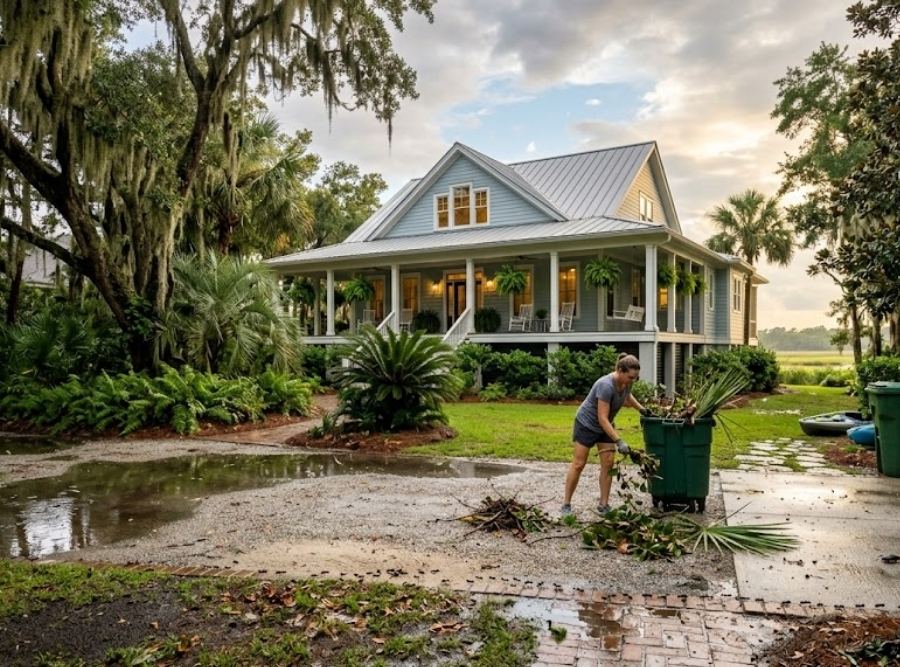
Hurricanes and heavy flooding in the South Carolina Lowcountry often lead to increased activity from mosquitoes, palmetto bugs, ants, termites, rodents, spiders, and other pests. Floodwater, standing water, excess moisture, and displaced wildlife create ideal conditions for pests to breed, relocate, and seek shelter inside homes, making the days and weeks after a storm especially important for inspection and prevention.
When a hurricane or tropical storm passes through the Lowcountry, most homeowners are focused on obvious concerns like fallen trees, roof damage, flooding, or restoring power. Pest problems usually aren’t the first thing on anyone’s mind. Then, a few days later, the mosquitoes seem impossible to avoid. Palmetto bugs begin appearing inside the garage. Ants suddenly show up in the kitchen, or someone hears scratching beneath the floor or in the attic. Many people assume the storm somehow “created” the pests overnight.
In reality, the storm didn’t create the problem. It changed the environment in ways that favor pest activity. Hurricanes and heavy flooding disrupt the habitats where insects and rodents normally live, forcing many species to relocate while creating new breeding opportunities for others. Excess moisture remains trapped around homes, standing water collects in places that previously stayed dry, and damaged landscaping provides shelter close to structures. These environmental changes often occur simultaneously, which is why homeowners frequently notice several different pests appearing within the same week.
This pattern is something we’ve seen repeatedly throughout the Lowcountry after tropical storms and hurricanes. Whether it’s a home in Sea Pines, a neighborhood near Shelter Cove, or a property closer to Broad Creek or Marshland Road, storm-related pest activity follows remarkably similar patterns. The specific pests may vary from one property to another, but the reasons they become more active remain largely the same: water, moisture, shelter, and opportunity.
Understanding why this happens is important because it allows homeowners to respond strategically rather than simply reacting to every insect they see. The goal isn’t to eliminate every pest that exists outdoors after a storm. Instead, it’s to reduce the conditions that encourage those pests to establish themselves around or inside the home.
Floodwater Doesn’t Kill Most Pests—It Often Moves Them Closer to Your Home
One of the biggest misconceptions after hurricanes is that flooding washes pests away. While severe flooding certainly destroys some nests and breeding sites, many pests are surprisingly resilient. Instead of disappearing, they simply move to higher, drier ground, and homes often become some of the most attractive places available.
Ant colonies provide a good example. As saturated soil floods underground tunnels, entire colonies relocate in search of dry shelter. Fire ants are especially well known for forming floating rafts during flood events before establishing new mounds once the water begins to recede. Other species, such as Argentine ants and ghost ants, frequently move from saturated landscape beds into wall voids, kitchens, bathrooms, and utility areas where moisture and food are more readily available.
Cockroaches behave similarly. American cockroaches and smokybrown cockroaches normally spend much of their time outdoors in mulch, leaf litter, storm drains, and damp landscapes. Heavy rain floods many of these hiding places, forcing the insects to search for new shelter. That’s one reason homeowners often notice palmetto bugs inside garages, crawl spaces, laundry rooms, or living areas shortly after prolonged rainfall or flooding. Their appearance doesn’t necessarily mean the home is dirty. More often, it reflects changes happening outside the home.
Rodents are also affected by rising water. Flooded burrows, saturated vegetation, and debris displacement can push mice and rats toward higher elevations where homes, sheds, garages, and crawl spaces provide warmth and protection. Once inside, they may remain long after floodwaters disappear if entry points aren’t identified and sealed.
This is why post-storm pest activity often seems to appear all at once. Multiple species are responding to the same environmental disruption, even though each pest behaves differently.
Why Mosquitoes Become One of the Biggest Problems After Heavy Rain
Few pest problems frustrate Lowcountry homeowners more than the explosion of mosquitoes after a hurricane. Many families clean up storm debris only to discover they can no longer enjoy their backyard because mosquitoes have become so aggressive. The timing often leads people to believe the marsh or floodwater itself is producing endless mosquitoes, but the reality is a little more complicated.
Mosquitoes require standing water to reproduce, but that water doesn’t have to be deep. After a tropical storm, countless temporary breeding sites appear across residential neighborhoods. Clogged gutters, flowerpots, children’s toys, wheelbarrows, birdbaths, tarps, landscape depressions, pool covers, and containers holding only a small amount of water can all support mosquito larvae. Even properties that never experienced significant flooding may develop dozens of breeding sites after several days of heavy rain.
The warm temperatures and high humidity that follow many hurricanes make the situation even worse. Instead of drying quickly, moisture remains trapped beneath dense vegetation, around retention ponds, near lagoons, and throughout shaded landscapes. These conditions extend mosquito activity well beyond the storm itself, especially in communities surrounded by marshes, golf courses, wooded preserves, or slow-draining areas.
One misconception we often hear is that mosquitoes breed only in ponds or marshes. While some mosquito species are associated with wetlands, many of the mosquitoes biting homeowners each evening actually developed in small containers or temporary pools of freshwater around residential properties. Removing those breeding opportunities is one of the most effective steps homeowners can take after a storm, but it’s rarely enough by itself if neighboring properties or nearby landscapes continue producing large mosquito populations.
Excess Moisture Creates Problems Long After the Water Is Gone
One of the biggest mistakes homeowners make after a hurricane is assuming the pest risk disappears once floodwater recedes. In many cases, the opposite is true. Some of the most significant pest problems develop days or even weeks after the visible water has disappeared because moisture remains hidden in places that are easy to overlook.
Crawl spaces are a good example. Older homes throughout Hilton Head Island, particularly in neighborhoods developed decades ago, often have vented crawl spaces that can retain moisture long after surrounding yards appear dry. Damp soil, wet insulation, saturated wood framing, and elevated humidity create favorable conditions for termites, ants, cockroaches, and even rodents seeking shelter from changing outdoor conditions. Homeowners may not realize anything is wrong until they notice a musty odor, increased insect activity, or signs of wood deterioration.
Moisture can also affect garages, wall cavities, attics, and areas beneath decks where airflow is limited. Fallen branches, accumulated leaves, storm debris, and mulch that remains wet for extended periods provide additional shelter for insects while reducing the property’s ability to dry naturally. Over time, these damp environments don’t simply attract pests. They can also contribute to mold growth, wood decay, and other structural conditions that make the property even more appealing to insects looking for food, moisture, and protection.
One lesson we’ve learned from helping homeowners throughout the Lowcountry is that successful post-storm pest control isn’t about reacting to every insect that appears. It’s about recognizing that moisture is often the underlying issue connecting many of those pest problems. When moisture remains under control, many of the conditions supporting recurring infestations become much easier to manage.
Which Pests Are Most Likely to Increase After a Hurricane?
Although almost every pest responds differently to severe weather, a handful of species consistently become more active after hurricanes and heavy flooding in the Lowcountry. Understanding why each one behaves the way it does can help homeowners recognize early warning signs before a temporary increase turns into a larger infestation.
Mosquitoes are usually the first pest people notice because their populations can increase rapidly once standing water begins to collect. Depending on temperatures, some mosquito species can complete their life cycle in as little as a week, which means properties that still have water trapped in gutters, containers, landscape depressions, or other low-lying areas may continue producing new mosquitoes long after the skies have cleared. Homes near lagoons, marshes, retention ponds, golf courses, and wooded preserves often experience even greater mosquito pressure because these landscapes naturally hold moisture for longer periods.
Palmetto bugs and other outdoor cockroaches are another common post-storm complaint. Heavy rainfall floods the damp environments where they normally live, forcing them to seek shelter inside garages, crawl spaces, utility rooms, and occasionally living areas. Many homeowners assume finding one or two large cockroaches indoors means the home has developed a major infestation. In reality, these insects are often responding to changing outdoor conditions rather than establishing themselves inside immediately. However, repeated sightings over several weeks deserve closer attention because they may indicate that favorable indoor conditions have developed.
Ant activity also changes dramatically after flooding. As underground colonies become saturated, ants relocate to higher, drier locations, often following plumbing lines, foundation walls, or small structural gaps into kitchens, bathrooms, and laundry rooms. Homeowners are frequently surprised when ant trails seem to appear overnight, but the colony has usually been displaced rather than newly created. Unless the conditions encouraging the ants remain, these invasions often begin outdoors before extending inside the home.
Termites deserve special attention following hurricanes because excess moisture creates favorable conditions for subterranean colonies. Wet soil, damp wood, and elevated crawl space humidity can increase termite activity around structures, particularly where wood remains in contact with moist soil or structural components take longer to dry. A hurricane doesn’t create termite colonies, but it can accelerate the conditions that allow existing colonies to thrive. That’s one reason termite inspections are often recommended after significant flooding or prolonged moisture exposure, especially if the property experienced crawl space flooding or water intrusion.
Rodents may become more noticeable after storms as flooded burrows and damaged vegetation force them to relocate. Homes provide warmth, shelter, and reliable food sources, making garages, attics, crawl spaces, and storage areas attractive places to settle once outdoor nesting sites have been disturbed. In some cases, homeowners first notice rodents through scratching sounds at night or droppings in the garage several weeks after the storm, long after they assumed the cleanup process was finished.
What We Commonly See During Post-Storm Pest Inspections
After decades of helping homeowners throughout Hilton Head Island and the surrounding Lowcountry, we’ve found that post-hurricane pest problems usually follow predictable patterns. While every property experiences storms differently, the inspections themselves often reveal the same underlying conditions regardless of whether the home is located in Sea Pines, Palmetto Dunes, Hilton Head Plantation, Indigo Run, or another coastal neighborhood.
One of the most common findings is that the pests homeowners notice are rarely the first sign of the problem. By the time mosquitoes become overwhelming, ant trails reach the kitchen, or palmetto bugs begin appearing inside, the environmental conditions supporting those pests have often existed for days or even weeks. Standing water remains hidden behind landscaping, crawl spaces stay damp beneath the home, gutters overflow into planting beds, or debris creates sheltered areas where insects can establish themselves before gradually moving closer to the structure.
We also find that storm damage frequently creates new opportunities for pests to enter the home. Wind-driven rain may damage weatherstripping, fallen branches can disturb roof vents or soffits, and floodwater may expose small foundation openings that previously went unnoticed. These issues often appear minor compared to repairing roofs or removing fallen trees, yet they can significantly increase pest activity if left unaddressed.
Another recurring pattern involves vacation homes and rental properties. Homes left unoccupied after a hurricane sometimes develop larger pest problems simply because no one is present to notice the first warning signs. Moisture remains trapped, standing water persists, and displaced pests have more time to establish themselves before the homeowner or property manager returns. By comparison, homes that are occupied year-round often detect developing issues much sooner, making them easier to correct before infestations expand.
What Homeowners Should Do After a Hurricane or Heavy Flooding
The days immediately following a storm provide an important opportunity to reduce future pest problems. While it’s understandable to focus first on repairing visible damage, addressing moisture and sanitation issues early often prevents much larger pest concerns from developing later.
One of the most valuable steps is allowing the property to dry as quickly as possible. Standing water should be removed wherever it can be done safely, gutters cleared of storm debris, and drainage problems corrected before the next rainfall adds even more moisture. Crawl spaces deserve particular attention because water beneath the home often remains hidden long after lawns and driveways appear dry.
Outdoor cleanup is equally important. Fallen limbs, leaf piles, damaged mulch, and scattered debris create sheltered environments where insects and rodents can hide while the landscape recovers. Removing these materials not only improves the appearance of the property but also reduces food sources, nesting areas, and protected travel routes that pests use to move closer to the home.
Homeowners should also inspect the exterior of the structure for storm-related damage. Door sweeps, weatherstripping, crawl space vents, foundation penetrations, garage door seals, and window frames are all common areas where pests gain access after severe weather. Repairing these small issues early often prevents much larger problems as pest populations recover in the weeks following a hurricane.
Finally, it’s important to remember that not every post-storm insect sighting requires aggressive treatment. A temporary increase in outdoor pest activity is normal after hurricanes because nature is adjusting to significant environmental disruption. The concern arises when pests continue appearing indoors, populations continue growing, or signs of termites, rodents, or recurring infestations begin developing after the initial cleanup has been completed.
Why Prevention Is the Best Long-Term Response
One of the biggest lessons we’ve learned over the years is that hurricanes don’t permanently change a property’s pest problems. Instead, they expose weaknesses that may have existed long before the storm arrived. Poor drainage, excess crawl space moisture, damaged weather seals, neglected landscaping, and hidden entry points often become much more noticeable once heavy rainfall and flooding place additional stress on the property.
That’s why our approach has always focused on understanding the entire environment rather than simply treating the insects that happen to be visible. Every home responds differently to severe weather depending on its construction, surrounding landscape, elevation, maintenance history, and proximity to marshes, lagoons, wooded areas, or retention ponds. Identifying those individual factors allows pest management to become proactive rather than reactive.
A prevention-first approach also provides long-term value. Reducing moisture, improving exclusion, correcting drainage, and monitoring for early signs of pest activity help protect the home not only after hurricanes but throughout the year. Instead of repeatedly responding to new infestations after every major storm, homeowners can significantly reduce the conditions that allow those infestations to develop in the first place.
Recovering From the Storm Means Protecting Your Home From What Comes Next
Hurricanes and heavy flooding are an unavoidable part of life in the South Carolina Lowcountry, but the pest problems that often follow don’t have to become part of the recovery process. Mosquitoes, palmetto bugs, ants, termites, rodents, and other pests respond quickly to excess moisture, standing water, and damaged landscapes, yet understanding why they become more active gives homeowners the opportunity to respond before temporary pest pressure develops into a long-term infestation.
At Mr. Pest Control, we’ve helped homeowners across Hilton Head Island recover from the pest challenges that often follow tropical storms and hurricanes for decades. By identifying moisture issues, evaluating pest entry points, and addressing the environmental conditions supporting pest activity, we help homeowners move beyond temporary treatments and toward long-term protection. If you’ve noticed increased pest activity after a recent storm, a thorough inspection can identify the underlying causes and help restore your home to the comfortable, healthy environment it was before the weather changed.

Joe Duncan is the owner of Mr. Pest Control, a family-owned pest control company that has served Bluffton, SC and the surrounding Lowcountry since 1955. As the third generation to run the business, Joe and his crew provide residential and commercial pest control, termite control, mosquito treatment, and bed bug services throughout Beaufort and Jasper County, SC. He’s built the company’s reputation on straightforward, no-nonsense service backed by a money-back guarantee.