
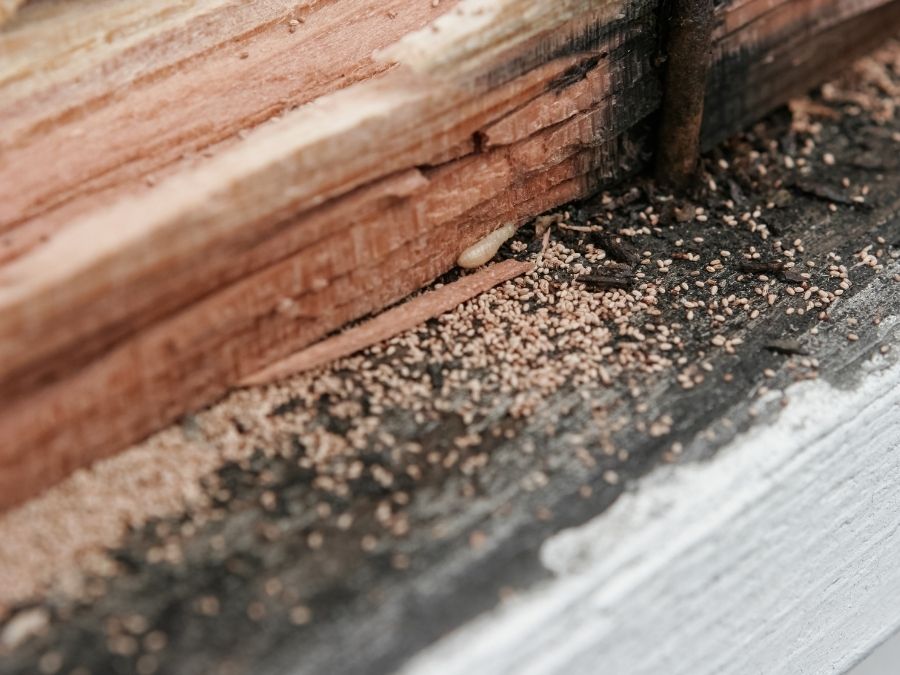
In the Lowcountry, termites are not just a seasonal nuisance. They are a year round threat to homes throughout Bluffton, Hilton Head Island, Beaufort, Ridgeland, Hardeeville, and nearby coastal communities. Warm temperatures, humidity, wooded lots, and moisture rich soil create ideal conditions for subterranean termites to thrive.
The difficult part is that termites usually stay hidden for months or even years before homeowners realize there is a problem. By the time visible damage appears, repairs can become expensive and invasive.
Knowing what to look for early can help prevent structural damage and costly repairs. Here are five warning signs homeowners in the Bluffton area should never ignore.
1. Mud Tubes Along Foundations or Walls
One of the clearest signs of subterranean termites is the appearance of mud tubes. These pencil sized tunnels are typically found along foundations, crawl spaces, garage walls, brick surfaces, or near plumbing penetrations.
Termites build these tubes to travel safely between the soil and the wood inside your home while staying protected from dry air and predators.
In coastal South Carolina, these tubes often appear around:
- Slab foundations
- Crawl spaces
- Exterior block walls
- Porch supports
- Garage edges
- Utility entry points
Many homeowners mistake them for dirt buildup or harmless insect activity, especially in shaded or damp areas around the home.
If you break open a mud tube and notice small cream colored insects moving inside, it is a strong indication of active termite activity.
2. Soft, Hollow, or Bubbling Wood
Termites feed on wood from the inside out, which means damage can remain hidden long before surfaces start collapsing.
A few common signs include:
- Baseboards that feel soft
- Floors that begin to sag
- Window trim that sounds hollow when tapped
- Doors becoming difficult to close
- Bubbling or blistering paint
- Wood that crumbles easily
Because Bluffton and surrounding areas experience high humidity throughout much of the year, termite damage is often confused with moisture damage or wood rot.
The difference is that termites leave behind internal tunnels and weakened structural wood beneath the surface.
Professional inspections are usually needed to determine how extensive the damage may be.
3. Swarming Termites or Discarded Wings
Termite swarmers are reproductive termites that leave an established colony to start new colonies nearby.
In the Lowcountry, swarming activity commonly happens during warmer months, especially after rain or periods of increased humidity.
Homeowners may notice:
- Flying insects near windows or lights
- Small piles of clear or light brown wings
- Swarms appearing indoors suddenly
- Activity around doors, garages, or porches
Swarmers are often mistaken for flying ants. One noticeable difference is that termite wings are equal in length, while flying ants have uneven wing sizes.
Even if the swarm disappears quickly, discarded wings inside the home can signal that termites may already be active nearby.
4. Tight-Fitting Doors and Windows
As termites tunnel through wood, they introduce moisture and weaken the structure around frames and supports. This can cause doors and windows to shift slightly, making them harder to open or close.
Homeowners sometimes assume seasonal humidity is the only cause, especially in coastal South Carolina where swelling wood is common during warmer months.
However, when sticking doors or windows appear alongside other warning signs like soft trim, bubbling paint, or mud tubes, termites may be contributing to the problem.
This issue is especially common in older homes throughout Bluffton, Beaufort, and Hilton Head where crawl space moisture can accelerate termite activity.
5. Clicking Sounds Inside Walls
Although termites are usually silent, some homeowners report hearing faint clicking or rustling sounds coming from walls.
Soldier termites create these sounds by tapping their heads against wood or shaking their bodies to warn the colony of danger. In quiet areas of the home, this can occasionally become noticeable.
While sounds alone are not enough to confirm termites, they can become an important clue when paired with:
- Visible mud tubes
- Swarmers
- Soft wood
- Unexplained wall damage
- Cracked paint or drywall
If something sounds unusual behind the walls, it is worth having the home professionally inspected.
Why Termites Are So Common in the Bluffton Area
The Lowcountry environment creates nearly perfect conditions for termite colonies.
Several factors increase termite activity in the region:
- Mild winters
- Humid coastal air
- Frequent rainfall
- Wooded residential lots
- Crawl space moisture
- Dense landscaping near foundations
Homes near marshes, wooded areas, golf courses, and water sources are especially vulnerable because termites thrive in damp soil conditions.
This is one reason routine termite inspections are common throughout Bluffton, Hilton Head Island, Beaufort, Ridgeland, and surrounding coastal communities.
When to Schedule a Termite Inspection
If you notice even one of these warning signs, it is smart to have the property evaluated before the problem spreads further.
Termites cause billions of dollars in property damage across the United States each year, according to the Environmental Protection Agency and industry research. Most homeowner insurance policies also do not cover termite related structural damage because it is considered preventable maintenance.
A professional inspection can help identify:
- Active termite colonies
- Areas vulnerable to infestation
- Moisture related risks
- Existing structural damage
- Recommended treatment options
For homeowners throughout Bluffton and the surrounding service area, Mr. Pest Control provides termite inspections and pest management services designed for Lowcountry homes and conditions without relying on high pressure sales tactics or one size fits all treatments.
Final Thoughts
Termites rarely announce themselves early. Most infestations begin quietly behind walls, beneath flooring, or inside crawl spaces where damage can continue unnoticed.
Paying attention to subtle warning signs like mud tubes, discarded wings, soft wood, or sticking doors can help catch a problem before repairs become far more serious.
In a climate like Bluffton’s, routine inspections and moisture control remain some of the best defenses against long term termite damage.

Joe Duncan is the owner of Mr. Pest Control, a family-owned pest control company that has served Bluffton, SC and the surrounding Lowcountry since 1955. As the third generation to run the business, Joe and his crew provide residential and commercial pest control, termite control, mosquito treatment, and bed bug services throughout Beaufort and Jasper County, SC. He’s built the company’s reputation on straightforward, no-nonsense service backed by a money-back guarantee.